General Didactics
and Lesson Planning
Key facts about the training programmeme
Course Details
General Didactics and Lesson Planning
Who it's for
- Educators at vocational health schools
- Practice instructors and mentors
- People working in non-school health education (e.g. continuing professional development)
- School leadership
- University graduates from related disciplines such as nursing, health, and therapy sciences, vocational pedagogy, medical and health education, or other related fields
Group size
8–12 participants
Prerequisites
See details below
Tuition
€1,100
Schedule
Over 2 weekends (Friday 4–9 PM, Saturday 9 AM–6 PM, Sunday 9 AM–5 PM)
Format
In person (Friday sessions held online)
Language
German
Location
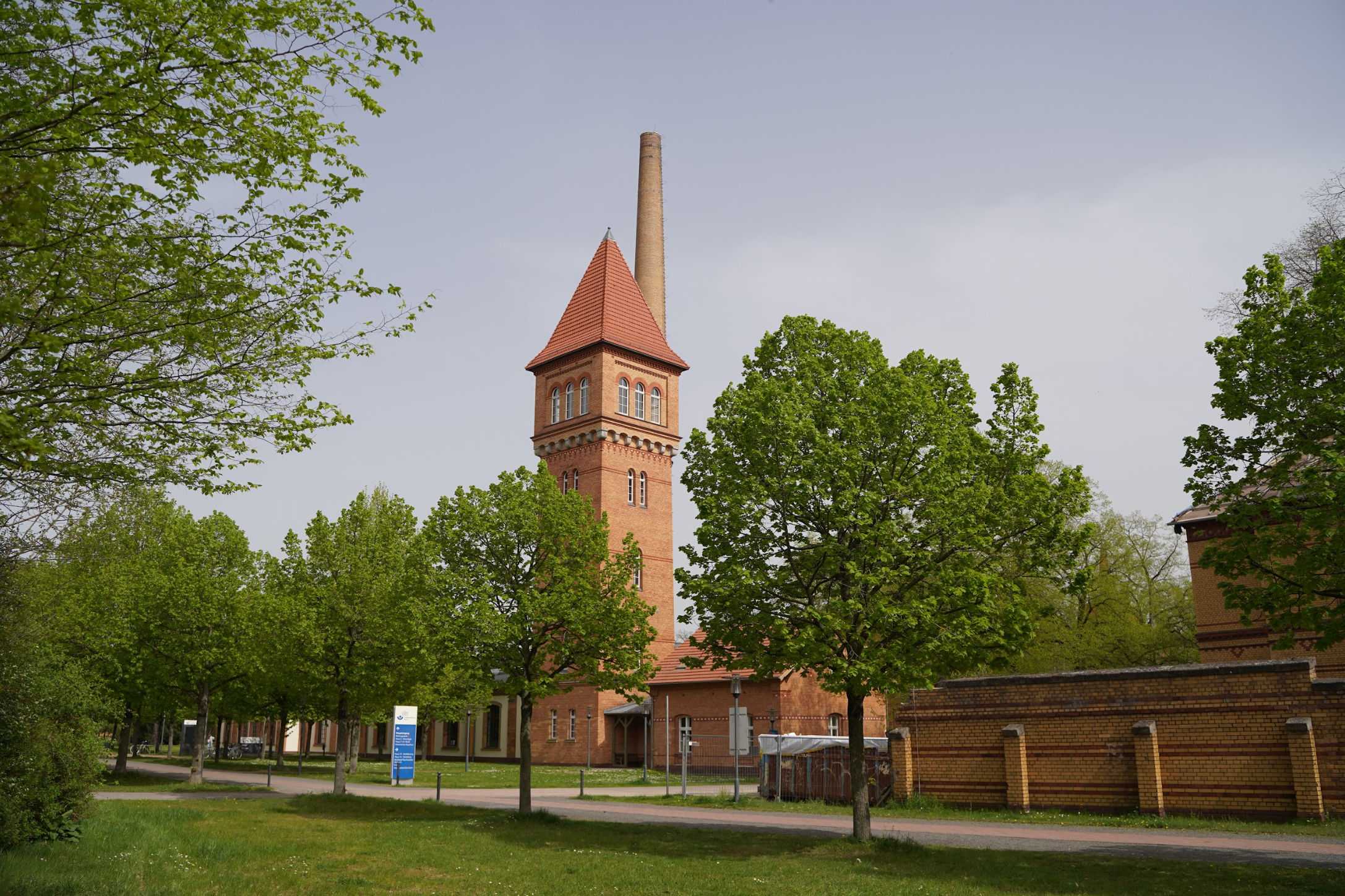
Health Innovation University of Applied Sciences, Brebacher Weg 15, Haus 2, 12683 Berlin
Dates
Block 1
24 – 26 Apr 2026
Fri 4–9 PM, Sat 9 AM–6 PM, Sun 9 AM–5 PM
Block 2
15 – 17 May 2026
Fri 4–9 PM, Sat 9 AM–6 PM, Sun 9 AM–5 PM
Profile
About the Module
This module is also part of the Propädeutikum for the Master's programmeme in Health Education (M.A.). Didactics, in its broadest sense, is the science of teaching and learning. This module systematically explores the many facets of teaching and learning processes. The content spans from current, evidence-based research on the scientific foundations of teaching and learning, through the application of these findings in practice, to the concrete planning of competence-oriented lessons. Key content areas: On a theoretical level, the module investigates questions such as: Why do these concepts exist, and what problems are they designed to address? For practitioners, it is important to be able to justify decisions about coherent teaching concepts based on their knowledge, and to use specific methods — such as project-based learning — effectively. Reflective competencies are also needed to systematically evaluate teaching units. At the level of lesson planning, for example, the following questions will be addressed: How can lessons be structured systematically so that learning content is understood, and which methods are necessary to enable sustainable learning?
Contact
Interested? Get in touch!
Send us an email for advice or to request more information.
margarida.rischawy-mariano@hi-university.de