Anthropological Foundations
of Pedagogy
Key facts about the training programmeme
Course Details
Anthropological Foundations of Pedagogy
Who it's for
- Educators at vocational health schools
- Practice instructors and mentors
- People working in non-school health education (e.g. continuing professional development)
- School leadership
- University graduates from related disciplines such as nursing, health, and therapy sciences, vocational pedagogy, medical and health education, or other related fields
Group size
8–12 participants
Prerequisites
See details below
Tuition
€1,100
Schedule
Over 2 weekends (Friday 4–9 PM, Saturday 9 AM–6 PM, Sunday 9 AM–5 PM)
Format
In person (Friday sessions held online)
Language
German
Location
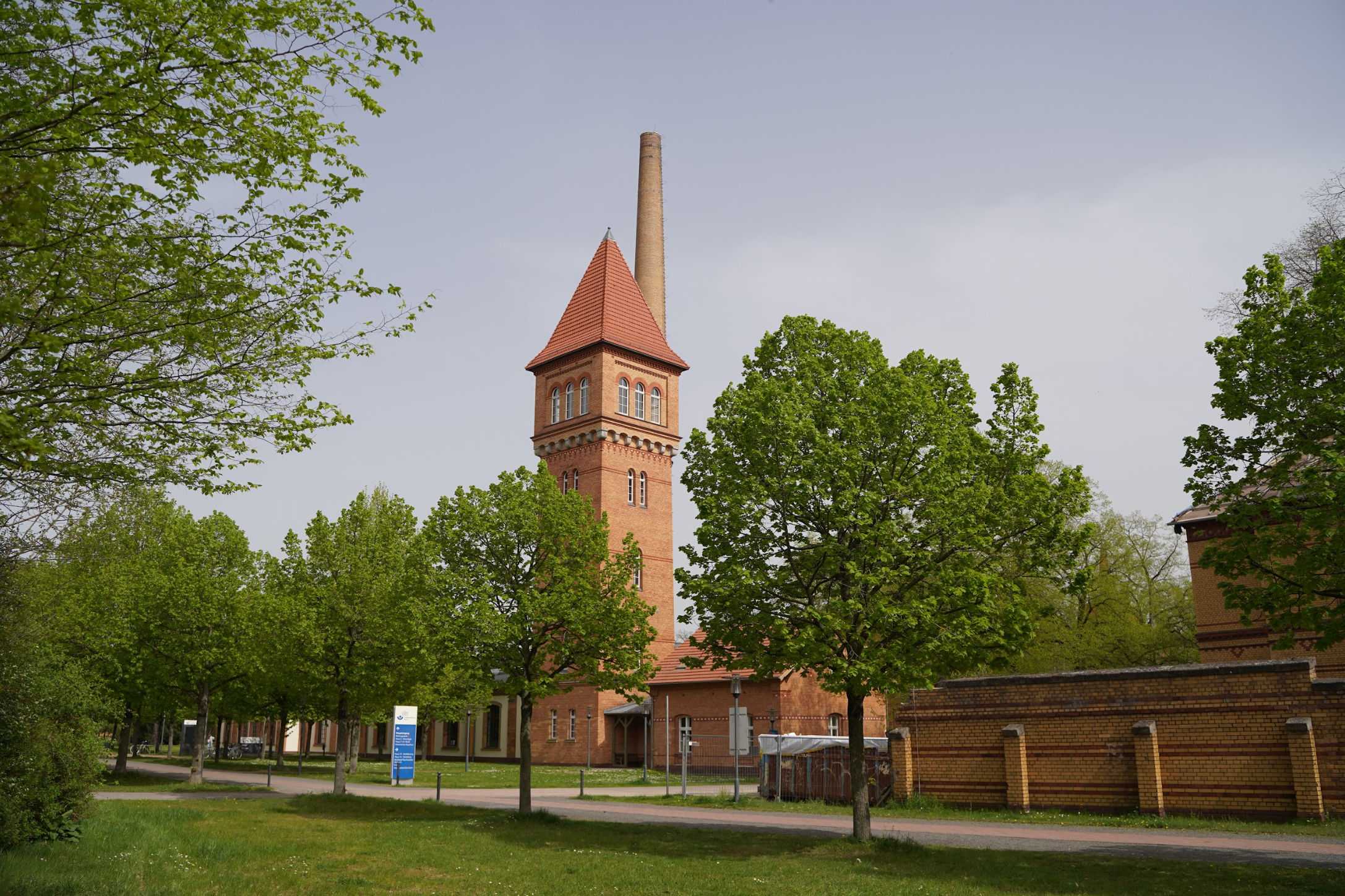
Health Innovation University of Applied Sciences, Brebacher Weg 15, Haus 2, 12683 Berlin
Dates
Block 1
17 – 19 Apr 2026
Fri 4–9 PM, Sat 9 AM–6 PM, Sun 9 AM–5 PM
Block 2
29 – 31 May 2026
Fri 4–9 PM, Sat 9 AM–6 PM, Sun 9 AM–5 PM
Profile
About the Module
This module is also part of the Propädeutikum for the Master's programmeme in Health Education (M.A.). At the heart of every educational practice lies a set of assumptions about what it means to be human. This module invites participants to engage with the rich history of philosophical, biological, and pedagogical anthropology — and to explore how these ideas continue to shape teaching, learning, and care in the health professions today. Our understanding of the human being has always been influenced by social, political, cultural, economic, and religious forces — and it has never stopped evolving. In the digital age, these questions have taken on fresh urgency. The fourth industrial revolution has already arrived in healthcare: from care robots to smartphone-timed home visits. These developments demand that we fundamentally rethink the theory and practice of education. Far from being outdated or merely historical, questions about human nature are more relevant than ever. When we discuss the role of artificial intelligence in teaching and learning, we need to do so on a solid pedagogical foundation — one grounded in a deep understanding of what it means to be human. Against this backdrop, the module explores a range of compelling questions: How can learners acquire the competencies they need to participate fully in professional, social, and civic life — while honouring their individual learning needs and resources? How is digitalisation changing the way we see people in education? What image of the human being do we hold, and is it still meaningful to speak of human nature at all? The module also addresses ethical dimensions of humane healthcare practice, as well as inclusion and the handling of impairments in teaching and learning contexts.
Contact

Interested? Get in touch!
Send us an email for advice or to request more information.
margarida.rischawy-mariano@hi-university.de